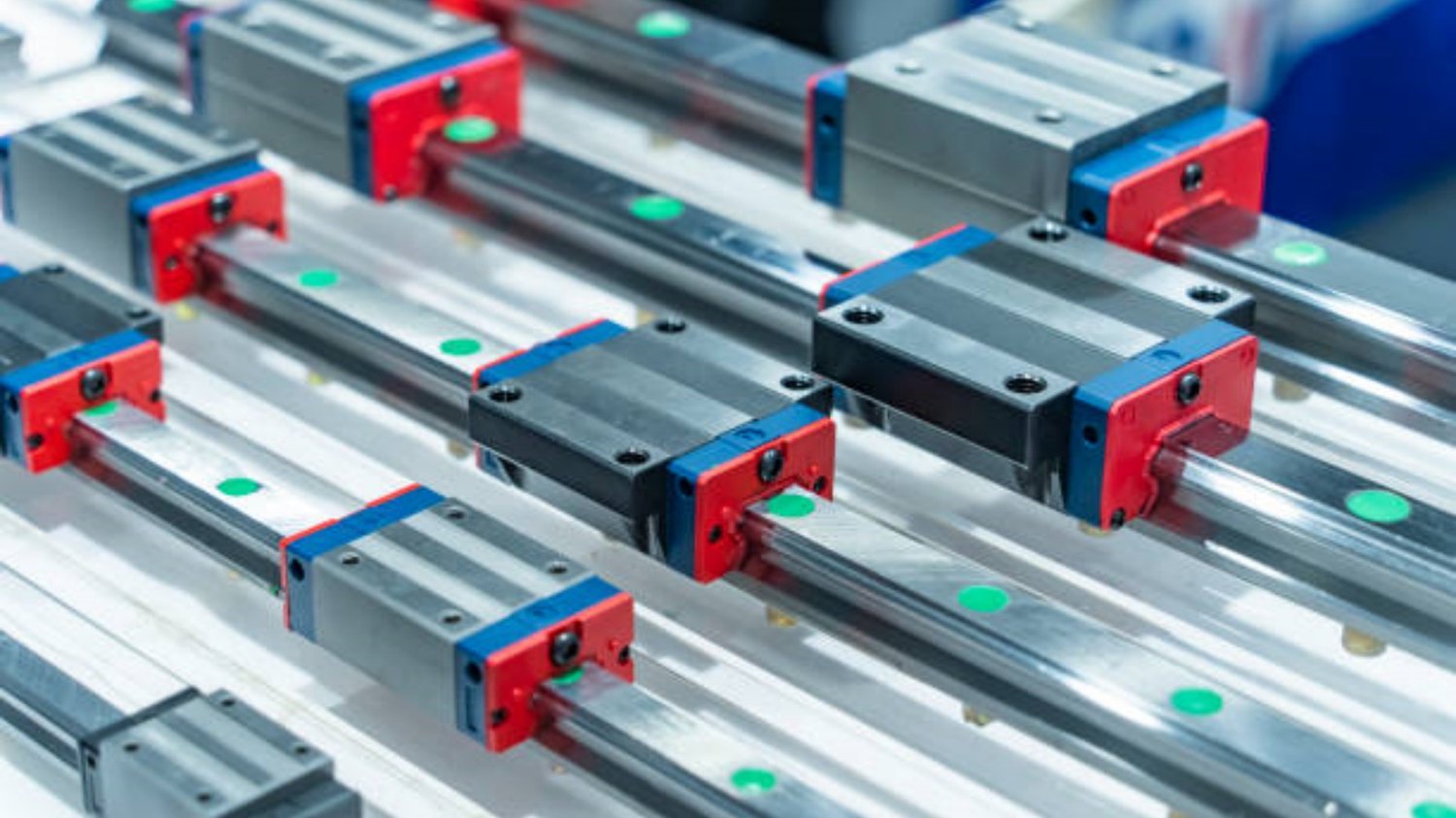
Regular maintenance of linear ball guides is essential to ensure smooth motion, reduce wear, and extend the lifespan of machinery. Neglecting maintenance leads to increased friction, component failure, and costly downtime. Implementing systematic linear ball guide maintenance methods safeguards equipment efficiency and reliability.
Inspection Techniques: The First Step in Linear Ball Guide Maintenance Methods
Visual and tactile inspections help detect early signs of wear, contamination, and misalignment in linear ball guides. Using magnification tools and precision measuring instruments allows maintenance personnel to identify scoring, corrosion, and deformation, shaping the foundation of effective maintenance strategies.
Cleaning Procedures Within Linear Ball Guide Maintenance Methods
Proper cleaning is fundamental in linear ball guide maintenance methods. Removing debris, dust, and contaminants prevents abrasive damage. Utilizing solvents compatible with the guide materials, coupled with gentle wiping techniques, preserves the integrity of the ball bearings and guide tracks.
Lubrication Strategies for Optimal Linear Ball Guide Maintenance Methods
Lubrication reduces friction and wear in linear ball guides. Choosing the right lubricant type—grease or oil—and applying it at appropriate intervals according to manufacturer recommendations form critical components of successful linear ball guide maintenance methods.
Monitoring and Replacing Seals to Enhance Linear Ball Guide Maintenance Methods
Seals protect linear ball guides from contaminants. Regularly inspecting and replacing damaged seals forms a preventive maintenance step. This practice maintains the cleanliness within the guide system, supporting the longevity and smooth operation of linear ball guides.
Alignment Checks as a Vital Part of Linear Ball Guide Maintenance Methods
Misalignment causes uneven wear and performance degradation. Periodic alignment verification with specialized tools ensures linear ball guides operate within specified tolerances, preventing premature failure and maintaining precision in applications sensitive to motion accuracy.
Understanding Load Management in Linear Ball Guide Maintenance Methods
Overloading linear ball guides accelerates wear and damages components. Incorporating load assessments within maintenance routines helps in adjusting operational parameters or redesigning mechanical layouts to stay within the guide’s rated load, improving maintenance outcomes.
Environmental Control Measures in Linear Ball Guide Maintenance Methods
Exposure to harsh environments, such as excessive humidity, dust, or chemical agents, degrades linear ball guides. Implementing environmental control—like protective enclosures and climate management—forms a proactive linear ball guide maintenance method to prevent premature deterioration.
Implementing Predictive Maintenance Using Sensor Technology
Integrating sensors to monitor vibration, temperature, and lubrication condition offers real-time data for predictive linear ball guide maintenance methods. Early fault detection allows timely interventions, minimizing unexpected failures and optimizing the maintenance schedule.
Documentation and Training to Support Effective Linear Ball Guide Maintenance Methods
Maintaining detailed records of inspection, cleaning, lubrication, and repairs is vital. Coupled with comprehensive training programs, documentation ensures consistency and knowledge retention in linear ball guide maintenance methods, leading to improved operational efficiency and reduced error rates.
Quote Inquiry
contact us