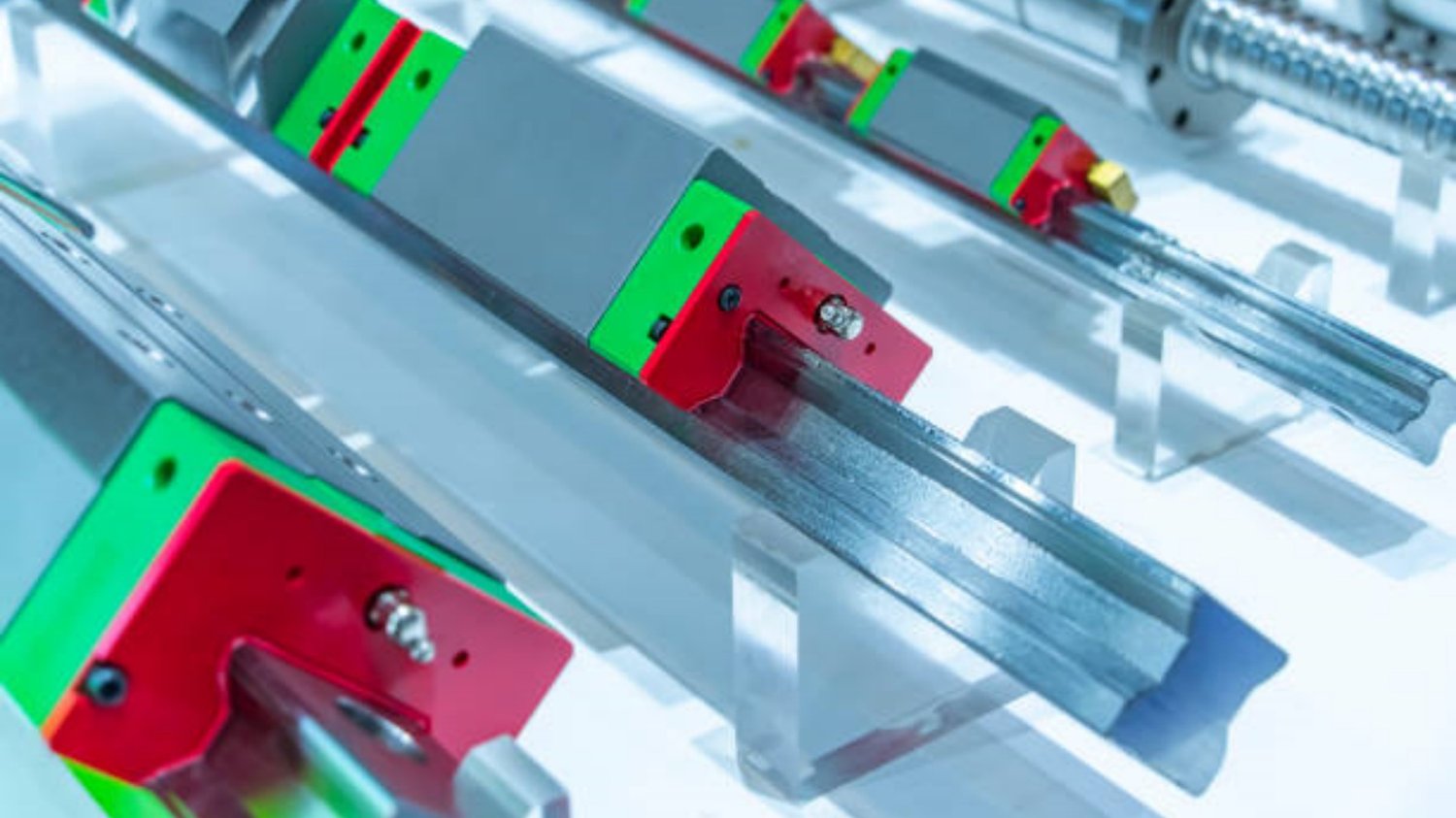
The linear ball guide durability test is a critical evaluation process designed to measure the lifespan and performance reliability of linear ball guides under various operational stresses. These guides ensure precision movement and load handling in industrial machinery, making durability testing essential to predicting service life and reducing maintenance costs.
Importance of Durability Testing in Linear Ball Guides
Durability testing provides crucial data that helps manufacturers and users determine how a linear ball guide performs under continuous use. It identifies failure modes, wear patterns, and material fatigue, ensuring that the guide can meet the rigorous demands of applications such as CNC machines, robotics, and automation equipment.
Common Testing Methods for Linear Ball Guide Durability
Various testing techniques are employed to simulate real-world conditions, including cyclic load testing, accelerated life testing, and lubrication endurance testing. These methods replicate factors like load stress, speed, temperature, and environmental conditions to accurately assess the durability of linear ball guides.
Role of Material Composition in Durability
The durability of linear ball guides largely depends on the materials used in their construction. High-grade steel alloys, surface treatments like heat treatment or coating, and the quality of the balls and raceways influence resistance to wear, corrosion, and mechanical deformation during the durability test.
Impact of Lubrication on Durability Test Outcomes
Proper lubrication plays a vital role during durability testing of linear ball guides. It reduces friction and wear, extends service life, and affects test results significantly. Evaluating how different lubricants perform under test conditions helps in selecting appropriate maintenance practices for real-use scenarios.
Analyzing Load Capacity through Durability Tests
Durability tests often assess the load capacity by applying varying forces to the linear ball guide repeatedly. This helps in understanding the guide’s operational limits without failure, providing valuable information for applications requiring heavy loads or rapid movement.
Temperature Effects in Durability Testing
Temperature variations can drastically influence the durability of linear ball guides. Testing under elevated or sub-zero temperatures helps evaluate thermal expansion, lubricant behavior, and material resilience, ensuring the guides perform reliably across diverse environmental conditions.
Wear Measurement and Failure Modes Identification
A key aspect of the linear ball guide durability test is measuring wear on contact surfaces and identifying failure modes such as pitting, spalling, or deformation. Understanding these wear mechanisms assists in improving design, selecting materials, and optimizing maintenance schedules.
Automation and Data Acquisition in Durability Testing
Modern durability tests leverage automation and advanced data acquisition systems to monitor parameters like load, displacement, temperature, and vibration in real time. This precise monitoring ensures repeatability, accuracy, and efficient analysis of the linear ball guide’s performance throughout the test duration.
Benefits of Durability Testing for End-Users and Manufacturers
For end-users, durability tests provide confidence in product reliability, helping avoid unexpected failures and downtime. Manufacturers benefit from quality assurance and product improvement insights, enabling them to innovate and optimize their linear ball guides to meet evolving industrial requirements.
Quote Inquiry
contact us