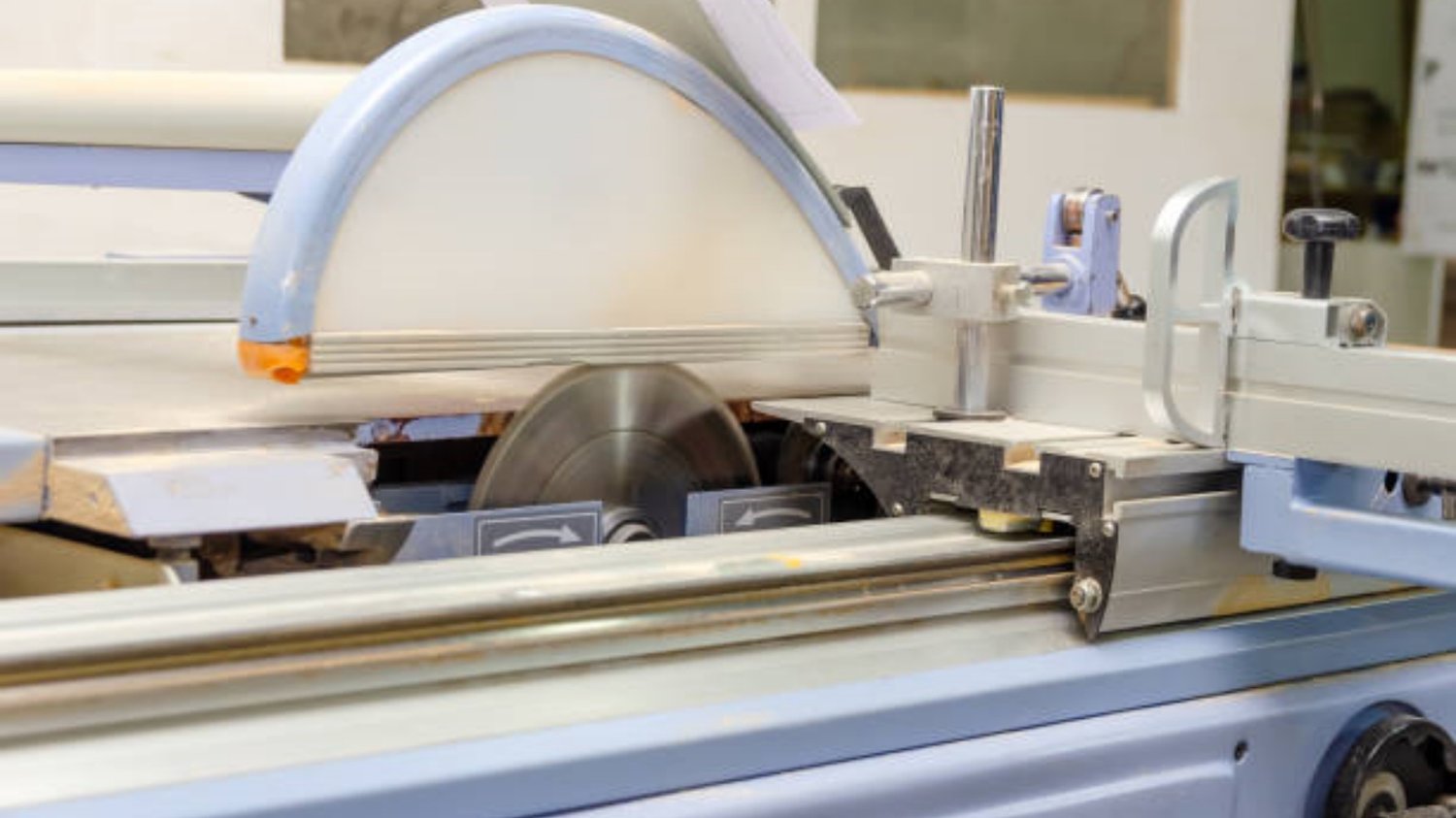
Metal cutting circular saw machines are specialized power tools designed specifically to cut through various types of metals with precision and efficiency. Unlike traditional saws, these machines utilize circular blades made from high-strength materials such as carbide or diamond-tipped steel, enabling them to handle tough metals like steel, aluminum, and copper. Their design optimizes speed, accuracy, and durability, making them indispensable in manufacturing, construction, and metal fabrication industries.
Types of Metal Cutting Circular Saw Machines
There are several types of metal cutting circular saw machines, each suited for distinct applications. The most common types include cold saws, abrasive saws, and band saws with circular blades. Cold saws use a toothed blade to cut metal at low speeds, ensuring a clean, burr-free finish. Abrasive saws employ abrasive discs for fast cutting but produce more heat and rougher edges. Understanding these differences helps in selecting the right machine for specific metal cutting tasks.
Key Components and Features
The key components of a metal cutting circular saw machine include the motor, circular blade, blade guard, base, and feed mechanism. High-power motors (often ranging from 1.5 to 5 HP) drive the blade for efficient cutting. Safety features such as blade guards protect users from accidental contact. Some machines are equipped with adjustable cutting angles, coolant systems to reduce blade heat, and automatic feed controls, enhancing both user safety and cutting precision.
Material Compatibility and Applications
Metal cutting circular saw machines are compatible with a wide range of metals, including mild steel, stainless steel, aluminum alloys, brass, and copper. They are extensively used in fabricating metal parts, cutting pipes, bars, sheets, and profiles, and are essential in industries like automotive manufacturing, aerospace, shipbuilding, and construction. Their ability to make clean, straight cuts reduces the need for secondary finishing operations, increasing overall productivity.
Advantages Over Other Cutting Tools
Compared to manual saws and other machine types, metal cutting circular saw machines offer superior cutting speed, precision, and safety. Cold saw variants can produce minimal heat-affected zones, preventing metal deformation. These machines reduce material waste by maximizing yield from raw stock. Additionally, their automated feed and angle adjustments improve repeatability and reduce operator fatigue, making them a more efficient and ergonomic solution.
Choosing the Right Blade for Metal Cutting Circular Saw Machines
Selecting the appropriate blade is critical for maximizing the performance of a metal cutting circular saw machine. Blades vary in tooth count, material, and coating, tailored to different metal types and thicknesses. Carbide-tipped blades are popular for their durability and clean cuts on harder metals. Blade size and tooth geometry affect cutting speed and finish quality. Proper blade selection ensures longer blade life and optimal cutting results.
Maintenance and Safety Practices
Regular maintenance is essential to keep a metal cutting circular saw machine operating efficiently and safely. Key practices include blade inspection and replacement when dull, lubrication of moving parts, checking motor function, and ensuring all safety guards are intact. Safety protocols mandate the use of personal protective equipment (PPE) such as gloves, safety glasses, and ear protection. Following proper lockout procedures during maintenance prevents accidental start-ups and injuries.
Automation and Technological Advancements
Recent advancements have integrated automation and digital technologies into metal cutting circular saw machines. CNC (Computer Numerical Control) enabled saws allow for highly precise, programmable cuts with minimal manual intervention. Features such as automatic blade feed control, real-time monitoring, and diagnostic alerts improve cutting accuracy and reduce downtime. These innovations are driving higher productivity and consistency in metal cutting operations.
Energy Efficiency and Environmental Impact
Modern metal cutting circular saw machines increasingly focus on energy efficiency and environmental considerations. Electric motors with variable frequency drives consume less power during operation. Additionally, advanced coolant systems reduce waste and improve blade lifespan. Selecting machines with low emission and noise levels contributes to safer and greener workplace environments. Manufacturers are also developing recyclable blades and components to minimize environmental footprint.
Cost Considerations and ROI
Investing in a metal cutting circular saw machine involves evaluating initial costs, operational expenses, and return on investment (ROI). While high-quality machines may have a higher upfront price, their precision cutting capabilities reduce material waste and rework costs, generating long-term savings. Consideration of blade replacement frequency, maintenance costs, and energy consumption is crucial. Choosing the right machine tailored to production needs ensures optimal ROI and improved manufacturing efficiency.
Quote Inquiry
contact us