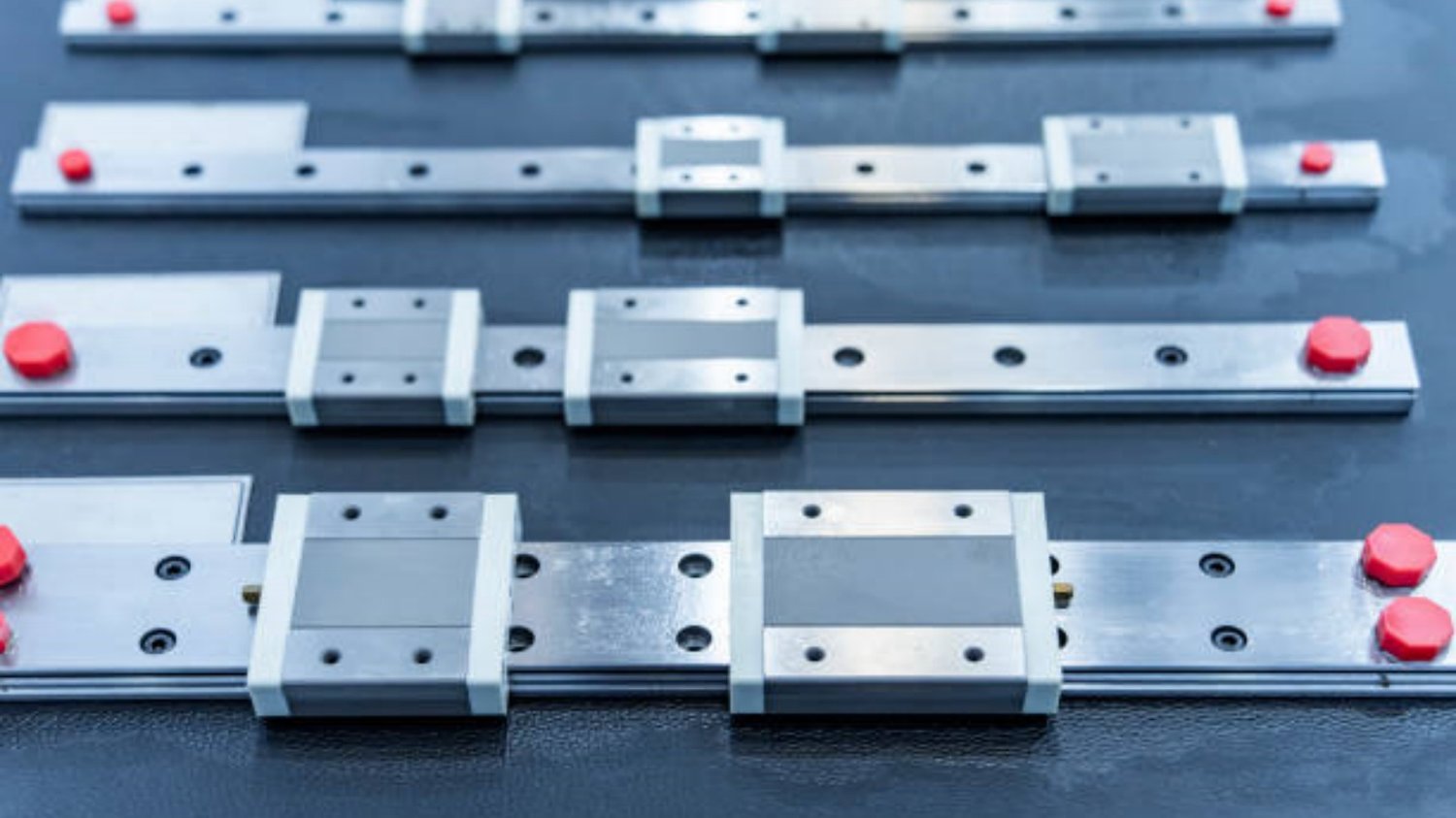
Linear ball guide installation is a critical process in ensuring precision motion in mechanical systems. Linear ball guides consist of rails and carriages with circulating balls that allow smooth, low-friction movement along a linear path. Proper installation is essential to achieve maximum accuracy, reduced wear, and extended lifespan of equipment. The key begins with selecting compatible components and following precise mounting techniques that maintain alignment and preload specifications.
Importance of Cleanliness During Installation
One of the most crucial aspects of successful linear ball guide installation is maintaining a clean environment. Dust, debris, and contaminants can hinder smooth ball circulation and cause premature wear. Before installation, thoroughly clean the rails, carriages, and the mounting surfaces to remove any residue. Using lint-free cloths and proper cleaning agents helps prevent introducing foreign particles into the guide system.
Alignment Techniques for Linear Ball Guide Installation
Achieving exact alignment between the linear ball guide rails is fundamental. Even minor misalignment can cause excessive friction, noise, and uneven wear. During installation, use precision measuring instruments like dial indicators or laser alignment tools to ensure parallelism and flatness. Proper shimming or adjusting mounting surfaces may be necessary to achieve optimal alignment, guaranteeing efficient linear motion.
Mounting Surface Preparation and Its Role
The foundation or mounting surface plays a significant role in the reliability of linear ball guide installation. It must be rigid, flat, and stable to support consistent operation under load. Surface irregularities can lead to deformation and misalignment during motion. Machining or grinding the mounting surface to meet specified tolerances enhances guide performance and longevity.
Applying Correct Preload During Installation
Preload refers to the intentional application of a small force between the ball carriage and rail to eliminate play and increase stiffness. Proper preload adjustment during linear ball guide installation improves motion precision, rigidity, and reduces vibration. Manufacturer guidelines must be followed meticulously, as excessive preload can cause overheating and wear, while insufficient preload leads to backlash and reduced accuracy.
Fastening Methods and Torque Specifications
Securing the linear ball guide components using the correct fasteners and torque values is vital. Over-tightening can deform the rail, while under-tightening risks displacement during operation. Use calibrated torque wrenches and follow recommended torque specifications for mounting screws. Additionally, applying thread lockers may be necessary in high-vibration environments to prevent loosening.
Considering Thermal Expansion Effects
Thermal expansion of materials during operation impacts linear ball guide installation and performance. Differences in thermal expansion between the rails, carriage, and mounting base can cause changes in preload and alignment. Designing installation with expansion gaps or utilizing materials with low thermal expansion coefficients helps maintain guide precision under varying temperature conditions.
Lubrication Requirements Post-Installation
After completing linear ball guide installation, proper lubrication is essential for smooth operation and extended service life. The circulating balls and contact surfaces require periodic application of suitable lubricants such as grease or oil designed for linear motion components. Lubrication minimizes friction, prevents corrosion, and helps dissipate heat generated during movement.
Inspection and Testing After Installation
To guarantee a successful linear ball guide installation, perform comprehensive inspection and testing before putting the system into operation. Check for correct preload, alignment, smoothness of movement, and absence of unusual noises. Using measurement tools and test runs confirms that the installation meets performance criteria and helps detect issues early for corrective action.
Common Mistakes to Avoid During Installation
Awareness of common pitfalls in linear ball guide installation prevents costly errors. Avoid rushing the cleaning process, neglecting alignment procedures, or ignoring manufacturer preload recommendations. Improper handling of components or installing on uneven surfaces can cause irreversible damage. Taking a methodical, step-by-step approach ensures reliability, accuracy, and ultimately, the success of the linear ball guide system.
Quote Inquiry
contact us