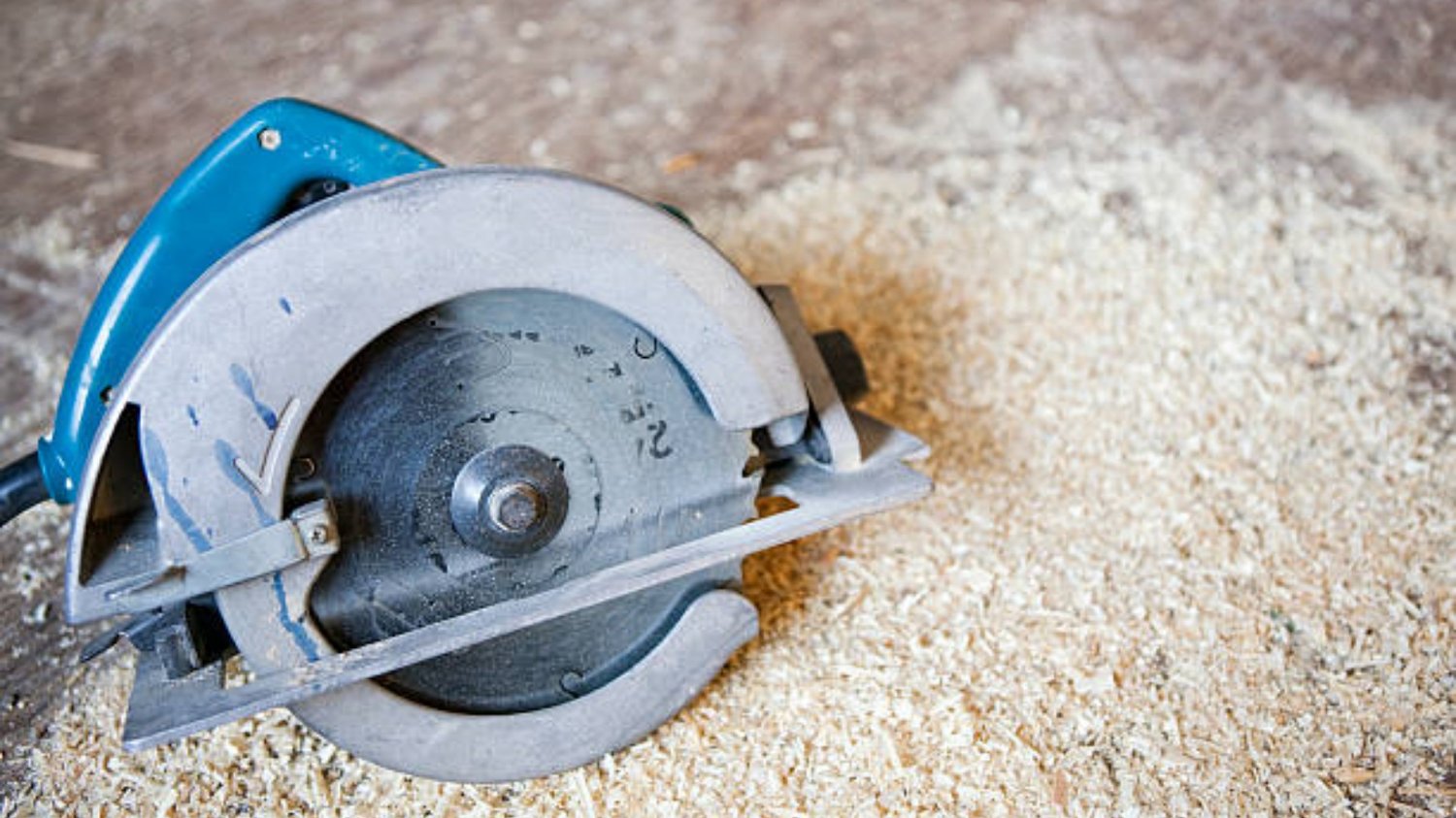
Industrial circular saw machines are powerful cutting tools designed primarily for heavy-duty applications. Unlike conventional saws, these machines operate with high precision and efficiency, making them essential in manufacturing, construction, and woodworking industries. Their robust construction allows for continuous operation and the ability to cut through various materials such as metals, wood, plastics, and composites.
Key Components and Design of Industrial Circular Saw Machines
An industrial circular saw machine typically consists of a circular blade mounted on a motorized spindle, a frame, and a feed mechanism. The blade size, tooth configuration, and speed are carefully engineered to match specific cutting requirements. The design emphasizes stability and safety, integrating guards and dust extraction systems to safeguard operators while maintaining clean working conditions.
Materials and Versatility
One of the main advantages of an industrial circular saw machine is its versatility in material handling. These machines can cut through metals like steel and aluminum, hardwoods, softwoods, plastics, laminate, and even composite panels. Blade selection is crucial, with carbide-tipped blades commonly used for metal and specialized tooth patterns employed for different materials to ensure clean and accurate cuts.
Precision and Efficiency in Cutting
Industrial circular saw machines deliver exceptional precision due to their stable motor control and rigid frames that minimize vibrations. This precision ensures consistent cut dimensions and smooth edges, reducing post-processing work. High-speed motors and optimized blade designs enhance cutting efficiency, allowing industries to improve throughput without sacrificing quality.
Applications Across Industries
These machines find widespread use in various industries including metal fabrication, automotive manufacturing, furniture production, and construction. In metal fabrication, they are employed for cutting sheets, bars, and pipes. In woodworking, industrial circular saw machines handle everything from rough cuts to detailed shaping, making them indispensable tools in mass production environments.
Automation and CNC Integration
Modern industrial circular saw machines often incorporate automation and CNC (Computer Numerical Control) capabilities. This integration allows for programmable cutting paths, automated feed rates, and repeatability, significantly reducing manual intervention. CNC-enabled machines improve accuracy and enable complex cuts, catering to advanced manufacturing needs.
Safety Features and Operator Protection
Given the high-speed blades and powerful motors, safety is paramount in industrial circular saw machines. Machines are equipped with blade guards, emergency stop buttons, and automatic braking systems. Additionally, dust and chip extraction systems reduce airborne particles, improving workplace safety and compliance with industrial regulations.
Maintenance and Longevity Considerations
Regular maintenance is critical for optimal performance and longevity of industrial circular saw machines. Key maintenance tasks include blade sharpening or replacement, motor servicing, lubrication of moving parts, and inspection of safety devices. Proper upkeep minimizes downtime, extends machine life, and ensures consistent cutting quality.
Energy Efficiency and Environmental Impact
Recent advancements have focused on enhancing the energy efficiency of industrial circular saw machines. Variable frequency drives (VFDs) and energy-saving motors reduce power consumption without compromising performance. Additionally, environmentally friendly coolant and lubrication systems minimize waste and pollution, aligning with sustainable manufacturing practices.
Choosing the Right Industrial Circular Saw Machine
Selecting an appropriate industrial circular saw machine depends on factors such as material type, production volume, precision requirements, and budget. Evaluating blade compatibility, motor power, automation features, and after-sales service support is essential. Partnering with reliable manufacturers ensures access to customized solutions and technical assistance for diverse industrial applications.
Quote Inquiry
contact us