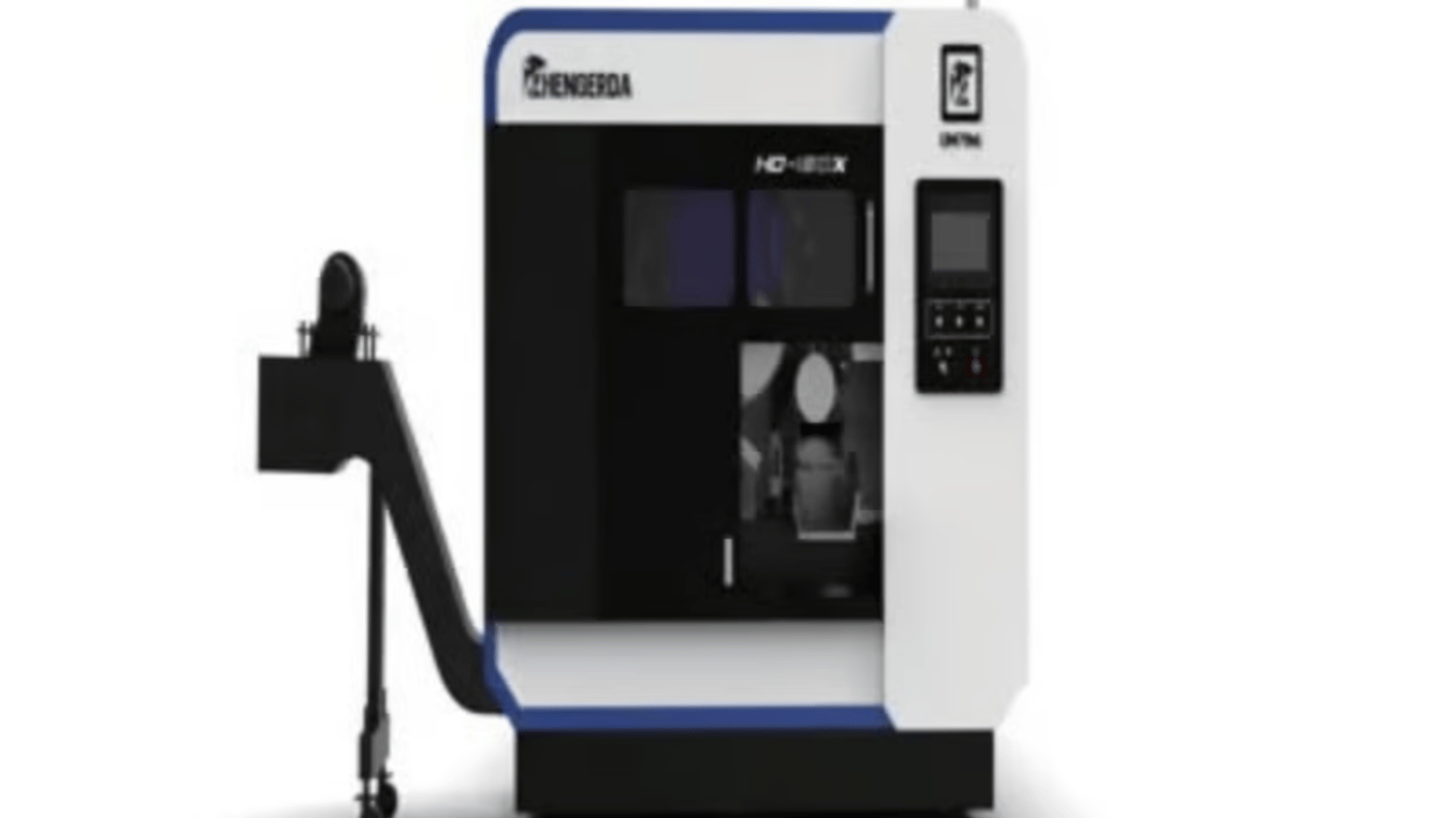
A gear chamfering machine is a specialized industrial tool designed to create a beveled edge or chamfer on the teeth of gears. Chamfering is essential for improving gear functionality by removing sharp edges and burrs generated during gear cutting or machining. This process enhances gear assembly, reduces wear, and extends the gear’s operational lifespan. Gear chamfering machines are integral in industries that demand precision gear manufacturing, enabling consistent and accurate edge finishing.
Core Functions of Gear Chamfering Machines
The primary function of a gear chamfering machine is to apply a smooth, angled cut on gear teeth, creating a chamfer that facilitates improved meshing and engagement between gears. These machines can handle various gear types, including spur, helical, bevel, and worm gears. The chamfering process minimizes the risk of tooth chipping, prevents stress concentration at the edges, and ensures better lubrication during gear operation.
Types of Gear Chamfering Machines
Gear chamfering machines come in multiple configurations, including manual, semi-automatic, and fully automatic models. Some gear chamferers use abrasive wheels, while others employ cutting tools depending on the material and precision requirements. CNC gear chamfering machines are gaining popularity due to their high accuracy, repeatability, and ability to program complex chamfer profiles for various gear geometries.
Advantages of Using Gear Chamfering Machines
Using a gear chamfering machine ensures uniform chamfer dimensions, reduces manual labor, and significantly increases production speed. By automating the chamfering process, manufacturers achieve higher quality standards with minimized human error. Additionally, these machines contribute to overall cost reduction by decreasing the need for secondary finishing processes and lowering gear failure rates in industrial applications.
Applications Across Industries
Gear chamfering machines are vital across numerous sectors, including automotive, aerospace, heavy machinery, robotics, and precision instruments. Any industry relying on high-performance gear transmission benefits from consistent chamfering to improve gear durability and efficiency. In automotive manufacturing, gear chamfering enhances transmission system reliability, while aerospace components require precise chamfers to withstand extreme operational conditions.
Materials Compatible with Gear Chamfering Machines
These machines are capable of working with a variety of gear materials such as steel, alloy steel, cast iron, brass, bronze, and plastic. Regardless of the material, the chamfering process conditions must be adapted, including tool selection, speed, and feed rates, to avoid damage and ensure optimal edge finish. This versatility allows gear chamfering machines to serve diverse manufacturing environments.
Integration with Gear Manufacturing Processes
Gear chamfering machines are usually integrated into the post-cutting phase of gear production. After gear teeth are cut, ground, or shaped, chamfering refines the edges before final assembly or surface treatments such as heat treatment or coating. Integration with other CNC machining centers or gear finishing lines allows seamless workflow and reduces turnaround time.
Technological Innovations in Gear Chamfering Machines
Recent advances in gear chamfering machines involve automation, advanced control software, and adaptive tooling systems. Modern machines offer real-time monitoring and adaptive chamfering, adjusting parameters dynamically based on gear hardness or dimensions. Innovations such as multi-axis CNC controllers enhance the capability to chamfer complex gear geometries with high precision and speed.
Maintenance and Operational Considerations
Proper maintenance of gear chamfering machines includes regular inspection of cutting tools or abrasive wheels, lubrication of moving parts, and calibration of control systems to maintain precision. Operators should follow manufacturer guidelines for tool replacement intervals and machine cleaning. Regular maintenance minimizes downtime, ensures consistent chamfer quality, and prolongs machine lifespan.
Choosing the Right Gear Chamfering Machine
Selecting an appropriate gear chamfering machine depends on production volume, gear types, material hardness, and desired chamfer specifications. Small-scale shops might prefer manual or semi-automatic machines for flexibility, while mass production environments benefit from fully automated CNC gear chamfering machines. Cost, ease of integration, and support services are also critical factors influencing the choice.
Quote Inquiry
contact us