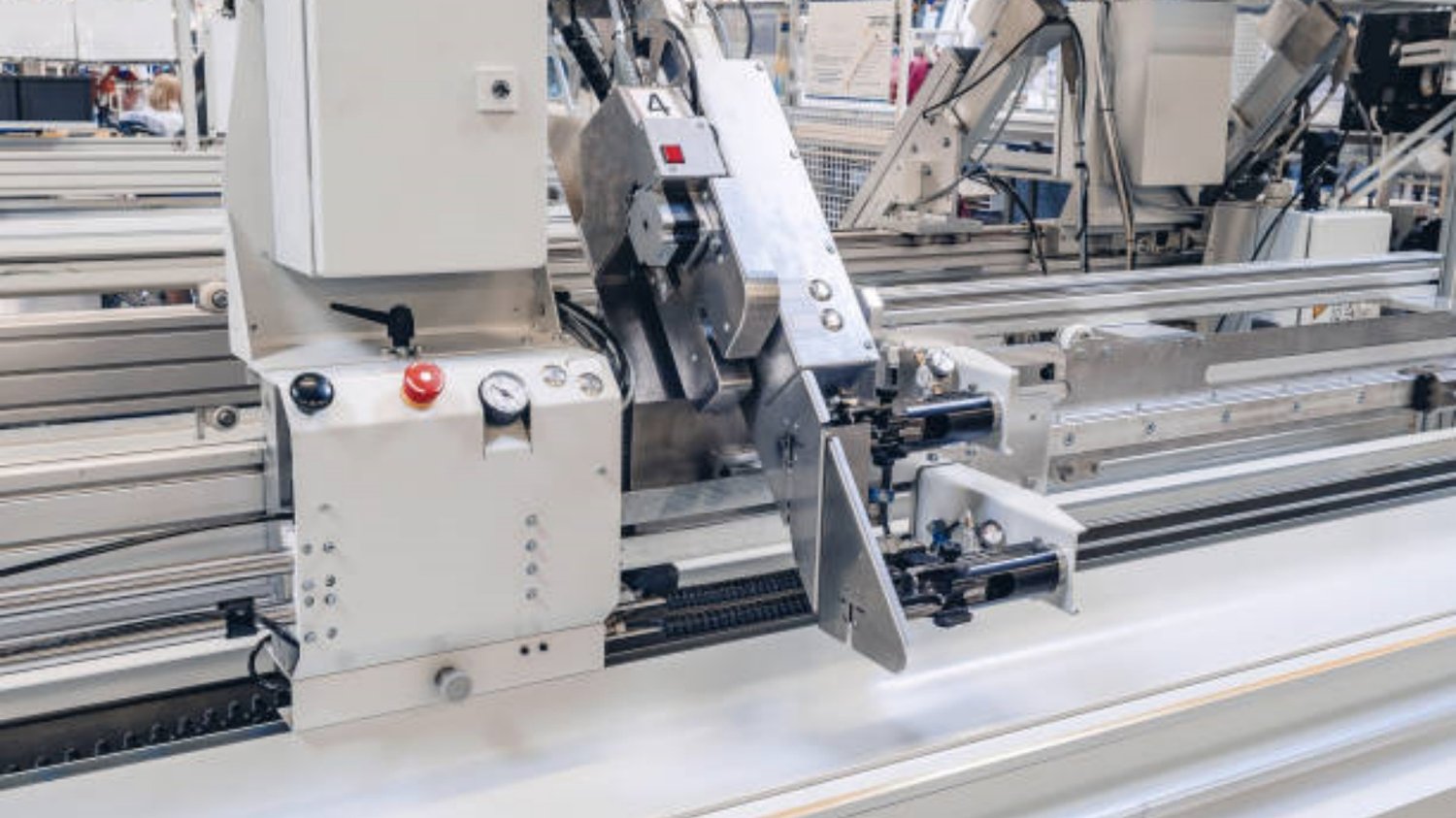
CNC surface grinding is a highly precise machining process used to create smooth and flat surfaces on metallic or non-metallic materials. Utilizing computer numerical control (CNC) technology, this process ensures consistent accuracy and repeatability, making it ideal for industries where surface precision is critical. The integration of CNC enhances traditional surface grinding by automating movements and maintaining tight tolerances, thus increasing efficiency and quality.
How CNC Surface Grinding Works
The CNC surface grinding process involves a rotating abrasive wheel that removes material from the workpiece by grinding its surface. The computer program directs the wheel’s movement along multiple axes, achieving exact dimensions and surface finishes. This controlled approach reduces human errors and allows for complex surface profiles, while sensors provide real-time feedback to optimize grinding parameters.
Key Components of CNC Surface Grinding Machines
CNC surface grinding machines typically include a grinding wheel, a worktable, a spindle, and a CNC controller. The grinding wheel is the primary tool, responsible for material removal. The worktable securely holds the workpiece during grinding. The controller directs the machine's movements based on programmed instructions, ensuring precision. Advanced models also feature coolant systems and dressing tools to maintain wheel sharpness and prevent overheating.
Advantages of CNC Surface Grinding
One major advantage of CNC surface grinding lies in its high precision and repeatability, which significantly reduces scrap rates and production time. The automation of this process allows for continuous operation and minimal human intervention, enhancing efficiency. Additionally, CNC surface grinding can handle complex geometries, offering versatility for various industries from aerospace to automotive manufacturing.
Materials Suitable for CNC Surface Grinding
CNC surface grinding is adaptable to a wide range of materials including hardened steel, stainless steel, cast iron, ceramics, and some plastics. The choice of abrasive wheel depends on material hardness and desired finish. For example, diamond wheels are preferred for hard ceramics, whereas aluminum oxide wheels work well on steel components. The process is effective for both ferrous and non-ferrous metals when precise surface quality is required.
Applications of CNC Surface Grinding
This machining technique is widely employed in manufacturing precision components such as molds, dies, engine parts, and optical devices. CNC surface grinding is essential in industries demanding tight tolerances and superior surface finishes, including aerospace, automotive, medical devices, and electronics. It is also used for repairing worn parts through surface restoration.
Surface Finish and Precision in CNC Surface Grinding
The surface finish achieved by CNC surface grinding is often of superior quality due to the controlled nature of the operation. Typical finishes range from 0.1 to 1.6 microns Ra, depending on the application. The precise removal of microscopic layers enhances the dimensional accuracy and functional performance of the final product, making CNC surface grinding indispensable in high-precision engineering.
Programming and Software in CNC Surface Grinding
Programming the CNC surface grinder requires specialized software that generates tool paths and controls parameters such as feed rate, grinding wheel speed, and depth of cut. Modern CAD/CAM systems facilitate the conversion of complex designs into machine instructions, allowing for seamless integration between design and manufacturing. This also enables easier modifications and customization for different jobs.
Challenges and Limitations of CNC Surface Grinding
While CNC surface grinding offers numerous benefits, it also presents challenges such as high initial investment costs for machines and programming expertise requirements. Tool wear and thermal deformation can affect accuracy if not properly managed. Additionally, the process may be time-consuming for very large or irregularly shaped components. Operators need to maintain and dress grinding wheels regularly to sustain optimal performance.
Future Trends in CNC Surface Grinding Technology
Advancements in CNC surface grinding are moving toward increased automation and smart machining, integrating sensors and IoT technology for predictive maintenance and quality control. The use of adaptive grinding, where real-time adjustments optimize grinding parameters, is gaining traction. Furthermore, environmentally friendly coolants and energy-efficient machines are becoming standard to meet sustainability goals in manufacturing.
Quote Inquiry
contact us